
As Ebola Spreads in Eastern DRC, The Salvation Army Expands Prevention and Education Efforts
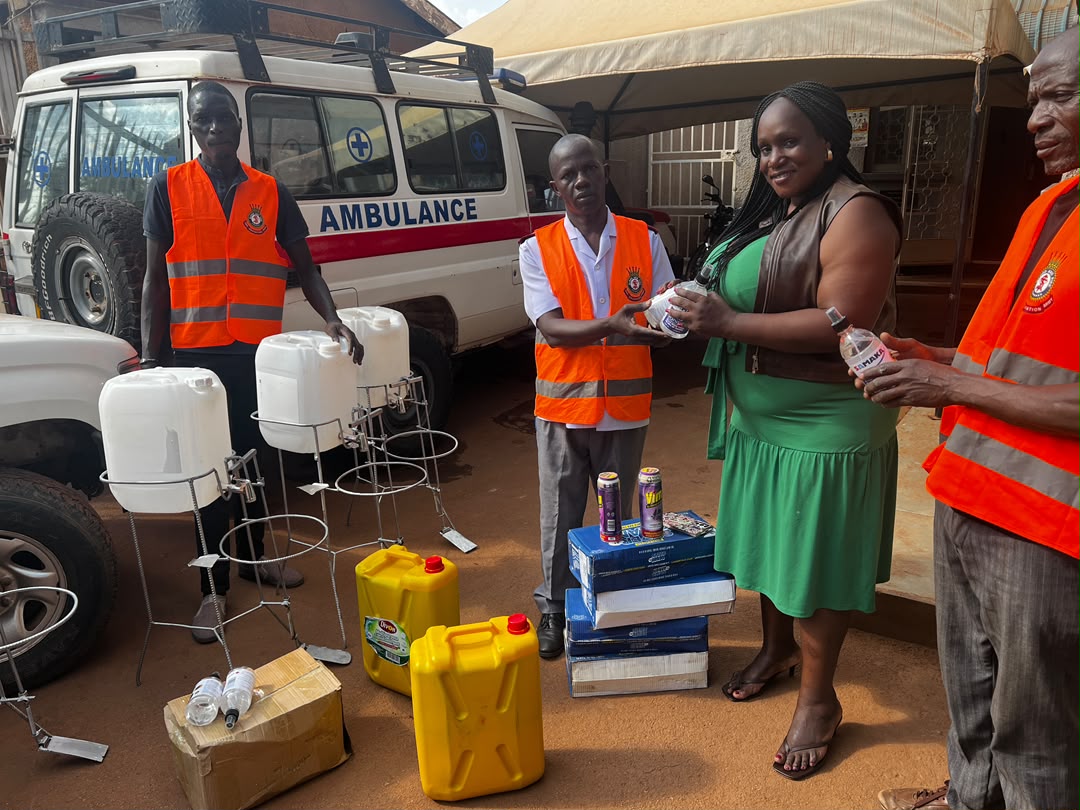
With cases increasing and the outbreak spreading into new districts, The Salvation Army is expanding community education, hygiene promotion and infection prevention efforts across the Democratic Republic of Congo, reaching schools, corps, health facilities and vulnerable communities with life-saving information.
The ongoing Ebola outbreak in the Democratic Republic of the Congo continues to grow at an alarming pace. Since May, confirmed cases have risen sharply, with the virus now affecting multiple provinces, including Ituri, North Kivu, Haut-Uélé, Tshopo, South Kivu and Bas-Uélé.
While government authorities and health partners continue to strengthen surveillance, treatment capacity and contact tracing, one challenge remains clear: communities need trusted information and practical guidance to help prevent the disease from spreading further.
For The Salvation Army, that means extending prevention efforts deep into affected regions and at-risk communities.
Taking Prevention to Communities
Earlier phases of The Salvation Army's response focused on strengthening readiness within health facilities, providing protective equipment and training healthcare workers in infection prevention measures.
Now, as the outbreak spreads into new districts, the organization is broadening its efforts to reach communities across eastern DRC with education, awareness and hygiene initiatives designed to slow transmission before infections occur.
New projects under development will support large-scale community awareness-raising campaigns, expanded WASH (water, sanitation and hygiene) activities, and practical infection prevention measures in communities facing heightened risk.
This approach reflects a growing recognition that Ebola cannot be contained through medical interventions alone. Communities must understand how the disease spreads, how to reduce risk and when to seek help.
Reaching Communities Through Schools and Corps
A key strength of The Salvation Army's response is its ability to work through existing community networks that already reach thousands of people every week.
New initiatives will expand awareness campaigns throughout Salvation Army schools, corps and community programs, ensuring that teachers, officers, Salvationists, students and families receive accurate information and practical guidance on Ebola prevention.
School-based projects will integrate hygiene promotion, infection prevention and community awareness activities, helping young people become trusted messengers within their families and communities.
At the same time, corps-based initiatives will equip local officers and leaders to share life-saving information through worship services, community gatherings and existing outreach ministries.
By bringing together education, health and mission efforts[PM1] The Salvation Army is pursuing an integrated approach that extends trusted information far beyond health facilities and into communities where misinformation and fear can undermine response efforts.
Supporting a Locally Led Response
The Salvation Army's early work has already been recognized by the Congolese Ministry of Health, which publicly thanked the organization for its leadership in community awareness-raising and training efforts. Salvation Army health personnel have also participated in specialist coordination meetings and received additional training to strengthen local response capacity.
The organization's growing role reflects the importance of trusted local institutions during public health emergencies. In areas where communities may be hesitant to engage with outside agencies, local officers, teachers, health workers and faith leaders are often best positioned to build understanding and encourage protective behaviors.
Powered by Partnership
The expansion of these prevention and awareness efforts is being made possible, in part, through support from UPS.
UPS funding is helping The Salvation Army strengthen its ability to educate communities, expand hygiene and infection prevention activities, and reach more people through its network of schools, corps and community-based programs.
As the outbreak continues to evolve, this support is helping ensure that communities receive accurate information, practical resources and trusted guidance before the virus gains further ground.
While treatment and emergency response remain vital, prevention remains one of the most effective tools available. Through partnerships like UPS and the dedication of local Salvation Army teams across the DRC, thousands more people will have access to the information they need to protect themselves, their families and their communities.
DONATE TODAY TO SAVE LIVES