Primary Health Care to Support the Growing Chikankata Community
Care Closer.
Lives Changed.
See how primary health care is reaching rural families around Chikankata.
Primary Health Care to Support the Growing Chikankata Community
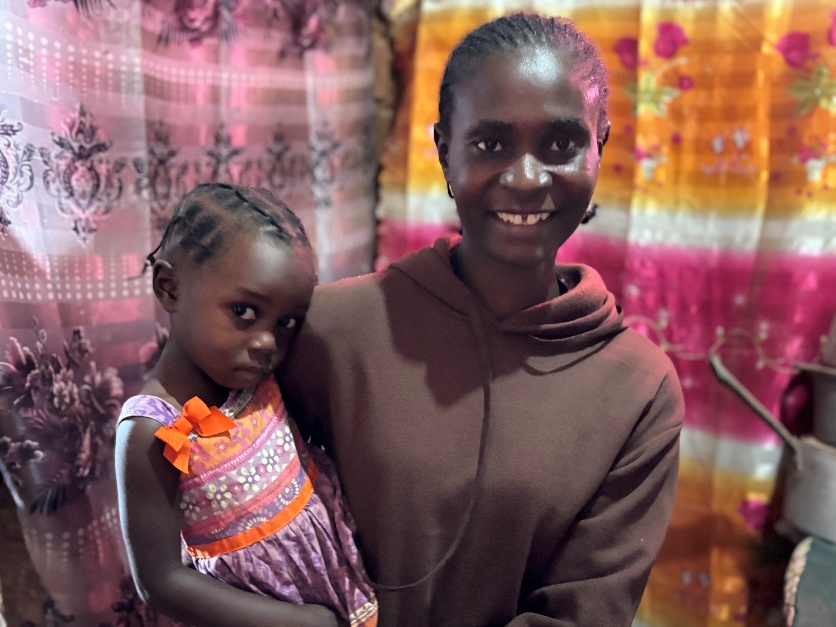
Prior to 2018, reaching hospital care from Terra Nova meant setting out on foot to cover the 24-kilometer journey to seek help at Chikankata Mission Hospital. When Ireen moved to Terra Nova for marriage with her two young children, she joined a community of about 6,000 people living across remote commercial farms anchored by a coffee plantation, far from services and without reliable transport. When a child developed fever or diarrhea, the only option was to walk. The journey could take up to ten hours, often with a sick child strapped to her back. For families in other rural communities served by the mission, the distance could be as far as 35 kilometers one way.
The journey was exhausting and risky, and it required leaving early to try to arrive before dark. In the rainy season, paths narrowed as maize and grass grew tall, cutting off visibility and making it difficult to see what lay ahead. Snakes were common, and wild animals moved through the fields. Isolation itself was frightening, and the uncertainty of an approaching stranger added to the danger. "When the maize is tall and you cannot see the road in front of you, you don't know what you will meet. Anything can happen," she said.
Reaching the hospital did not mean immediate care. Often, she arrived too late to be seen that day and had to sleep overnight, rejoining the queue the next morning before beginning the long walk home.
Because the journey could stretch over several days, families in rural communities like Ireen's frequently delayed seeking care, weighing the danger of the road against the illness itself and hoping children might recover without making the trip. Routine care also fell away. Mothers did not bring children for regular weighing or growth monitoring, and early signs of illness or malnutrition were often missed. Distance not only delayed emergency care, but it also interrupted the everyday services that keep children healthy.
It was in this context that the Primary Health Care (PHC) project was established.
A project that began in 2018 and became routine practice
In 2018, the Primary Health Care (PHC) project was established to support rural clinics providing care to the approximately 55,000 people living within a 35-kilometer radius of Chikankata Mission Hospital. These communities were spread across farming areas and settlements where distance, poor roads, and the absence of transport made access to hospital care unreliable and, at times, dangerous.
At the time, rural clinics were operating under extreme pressure. In places like Terra Nova, a single clinic served a population of about 6,000 people across six commercial farms, with no nearby alternative facility. The nearest clinic was roughly 20 kilometers away, and Chikankata Mission Hospital was more than 24 kilometers from the community. For most families, reaching care meant walking long distances, often delaying treatment until illness became severe.
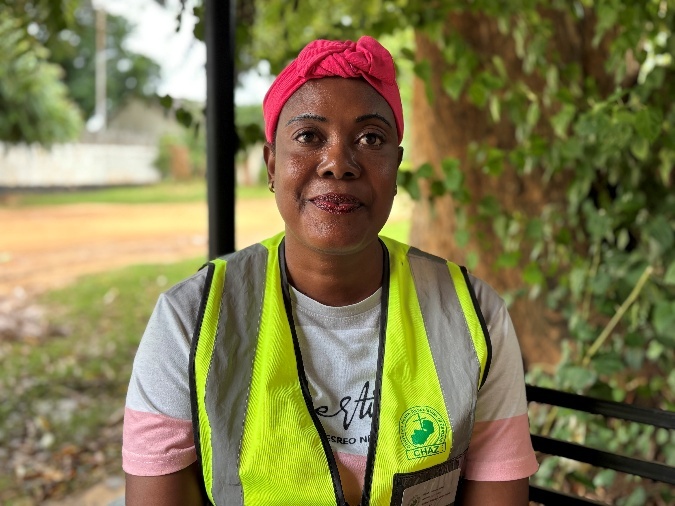
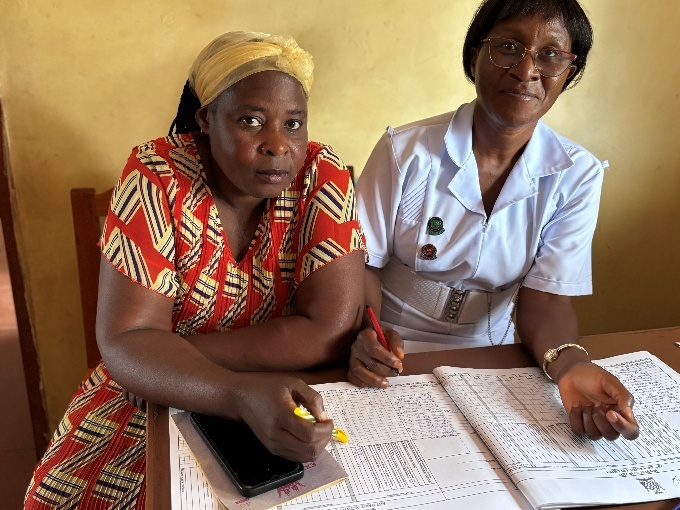
When Linda arrived in Terra Nova in 2011, she did so as the only nurse at the clinic. She was responsible for all outpatient services, antenatal care, HIV services, deliveries, child health monitoring, and referrals. There was no second nurse, no rotation, and no relief. "I was alone," she said. "I was doing everything."
The workload was immediate and unrelenting. The clinic managed routine illness alongside a heavy burden of HIV and sexually transmitted infections, maternal care, and childhood disease. Linda was responsible for all deliveries at the clinic, averaging around ten births each month, or approximately 120 deliveries a year, in addition to seeing patients daily for acute and chronic conditions. "You deliver the babies. You attend to the sick. You do everything," she said.
Distance added to the strain on services. Referrals to Chikankata Mission Hospital required planning and transport over long distances and managing both routine and urgent cases from a wide catchment area placed sustained pressure on a single nurse clinic model. With limited staffing, maintaining consistent coverage across routine, preventive, and acute care was a persistent challenge.
What the Primary Health Care project added
The Primary Health Care project expanded and strengthened services delivered through rural health clinics by adding structured support from Chikankata Mission Hospital and coordinated outreach. The approach was built on a clear structure:
- Rural clinics provide frontline care, including outpatient services, antenatal care, HIV services, basic maternity care, and child health monitoring.
- Chikankata Mission Hospital provides referral care when complications arise and services exceed the capacity of rural clinics.
- Maternal and Child Health outreach services extend care beyond clinic walls, delivering routine services such as child weighing and growth monitoring, immunization, antenatal and postnatal followup, family planning, and medication delivery to communities that cannot regularly reach fixed clinic sites.
- Community Health Worker outreach services provide basic health screening and followup for individuals who are not enrolled in HIV services, including routine health checks (such as vital signs monitoring), assessment and referral for common illnesses and chronic conditions, medication followup, and identification of patients requiring further care.
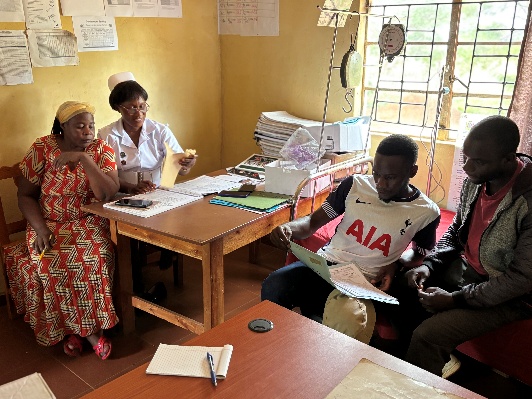
Linda Lombe, a registered nurse and midwife, who has served the Terra Nova community since 2011, explained the relationship between the rural clinic and the hospital: "Terra Nova is a baby for Chikankata Mission Hospital…Chikankata is our mother." When rural clinics have referrals for outpatient care, maternity complications, or emergencies, they contact Chikankata and escalate care through established pathways.
Impact of the Primary Health Care Project at Terra Nova Clinic
The Primary Health Care project strengthened the capacity of the Terra Nova rural health clinic to deliver consistent care to a large, remote population, reducing reliance on long journeys to the hospital and stabilizing routine health services over time.
"We manage HIV care here at the clinic, but when a case is complicated, Chikankata supports us. We work together so patients do not fall out of care," said Linda Lombe, Registered Nurse and Midwife, Terra Nova Clinic.
HIV and chronic care
- In a catchment of 6,000 people, the clinic has supported care for a large HIV affected population.
- The clinic currently provides ongoing treatment to more than 500 people receiving antiretroviral therapy, allowing patients to access medication and followup locally rather than travelling to the hospital.
- Routine laboratory sample transport supports continued monitoring for people on treatment, maintaining continuity of care.
- The clinic also manages other chronic conditions, including sexually transmitted infections, alongside general outpatient care.
Maternal and child health
- The clinic manages approximately 10 deliveries per month, equivalent to around 120 births per year, providing local access to maternity care for women who would otherwise need to travel long distances, especially if the birth was complicated. This includes 62 adolescents aged 14 to 17.
- Routine antenatal and postnatal services are delivered at clinic level, with referral to Chikankata Mission Hospital for complicated cases.
- Child growth monitoring is conducted regularly, supporting early identification of health and nutrition concerns.
- Postnatal follow-up includes family planning services, with high uptake reported at the six-week postnatal visit.
Adolescent health
- Teenage pregnancy represents a significant proportion of maternal health demand:
- 32 percent of pregnancies in 2024
- 33 percent of pregnancies in 2025
- Youth focused services, including counselling and access to family planning, form part of the clinic's ongoing work.
Staffing and service continuity
- At the outset of the PHC period, Terra Nova operated with a single nurse delivering all clinical services, including outpatient care, maternity services, HIV care, and referrals.
- Over time, staffing increased, allowing services to be delivered more consistently across routine, preventive, and acute care.
- Importantly, services established during the PHC project have continued beyond the end of the original project funding, including maternity care, HIV treatment, child health monitoring, and referral pathways.
Maternal and Child Health Outreach: Supporting the Wider Primary Health Care Network
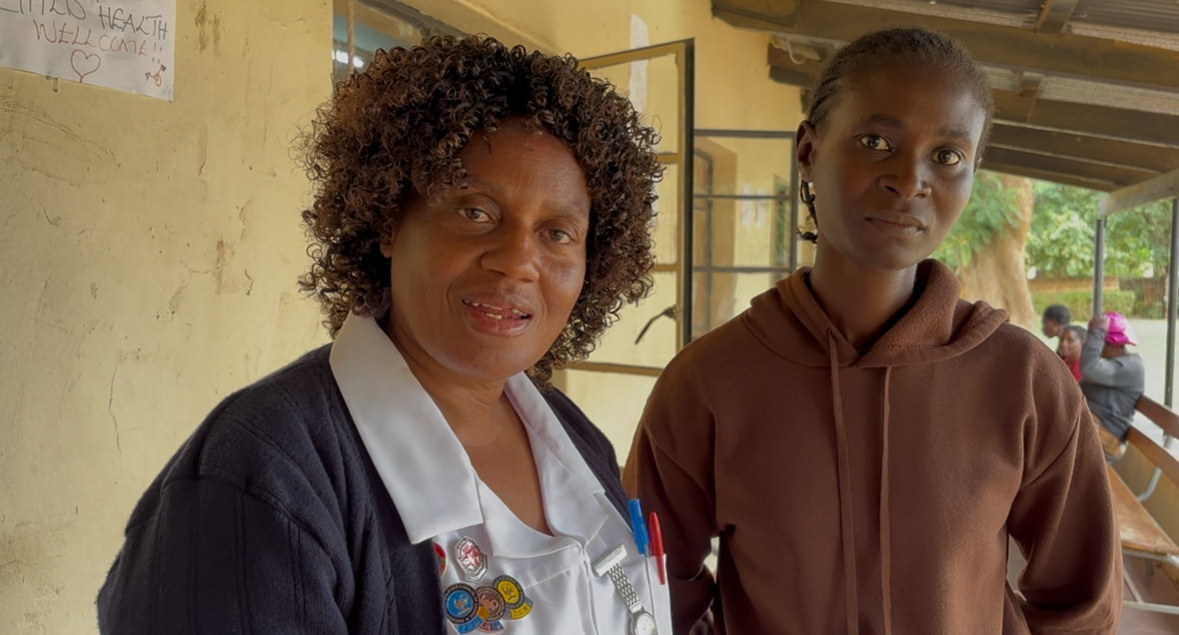
Primary Health Care at Chikankata is supported by Maternal and Child Health (MCH) services based at Chikankata Mission Hospital, which coordinate outreach and continuity of care for mothers and children across the wider catchment area.
"If we do not go out to the communities, mothers will not come. Children will miss weighing and monitoring, and we will only see them when problems have already become serious," said Dadirai Simubali, Sister in Charge, Maternal and Child Health Clinic, Chikankata Mission Hospital.
Outreach is designed for communities that cannot realistically travel to the hospital. Some are located up to 35 kilometers away. To reach these areas, MCH teams operate a regular monthly outreach schedule, covering six outreach posts and multiple outreach days each month. Through these visits, routine services are delivered closer to where families live, including immunization, child weighing and growth monitoring, antenatal booking and followup, vitamin A supplementation, family planning services, and medication delivery.
Clinic activity data illustrates the scale of this work. In a single month, the MCH clinic recorded:
- 2,075 under-five children receiving services
- 566 family planning clients
- Male involvement in maternal health, with about 50 men attending with partners out of 74 booked women during that period
This outreach function reinforces the Primary Health Care model by maintaining routine contact with families, supporting early identification of health needs, and reducing gaps in care that can lead to avoidable complications. It also allows Chikankata Mission Hospital to function effectively as the hub of a Primary Health Care network, supporting both rural clinics through referral care and communities directly through structured outreach.
Why the impact has continued beyond the initial program
The Primary Health Care project at Chikankata was designed as a system, not a temporary intervention. From the outset, it organized care around rural clinics as the first point of access, structured outreach for communities that could not reliably reach fixed facilities, and Chikankata Mission Hospital as the referral hub for complications and higher-level care. Rather than replacing existing services, the Primary Health Care project strengthened how they worked together, embedding referral pathways, outreach schedules, and shared responsibility for patient follow-up across the network.
That structure is why the impact did not end when the initial project phase concluded. The Primary Health Care project established a tiered, connected model in which communitybased services function as the first point of care, supported by clear referral links to Chikankata Mission Hospital as the clinical hub. Practices introduced through the project, including clinicbased HIV management with hospital support, routine maternal and child health services, outreach to hardtoreach communities, and structured referral mechanisms, became part of everyday service delivery. As a result, access to care, treatment continuity, and referral pathways established under the Primary Health Care project continue to shape how services are delivered across the Chikankata catchment area today.
"What they were doing was good, because a lot of people were being helped, and the clinic continued providing services," said Prisca Mweetwei, a registered nurse at Terra Nova Rural Health Clinic.
Related Stories
Click a tile to read the full story.