
Restoring Dignity and Hope for Women Living with HIV in India
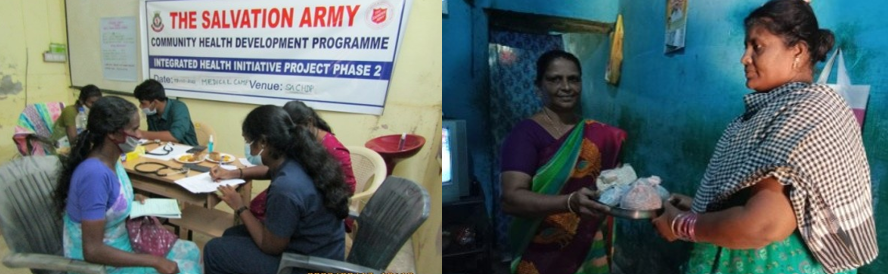
When a woman in southern India loses her husband, the loss can extend far beyond grief. For many widows living with HIV, it also means losing financial security, social standing, and sometimes even the support of family and community members.
Stigma surrounding HIV often leaves women isolated at the exact moment they need help most. Many are left to care for children alone while managing a chronic illness, navigating poverty, and worrying about how they will provide for their family's future.
This was the reality facing hundreds of women across 190 villages in Tamil Nadu, India, before The Salvation Army's Integrated Health Initiative began its work.
The project focused on one of the most vulnerable groups in the region: widows living with HIV and AIDS and their children. While access to life-saving antiretroviral treatment has improved in India, many women still struggle to remain healthy because of poor nutrition, lack of transportation to medical facilities, financial hardship, and limited community support. Children in these households often face their own challenges, including interrupted education, social isolation, and uncertain futures.
Rather than addressing a single need, the initiative recognized that health, education, economic stability, and social acceptance are deeply connected.
Through regular home visits, counseling, medical support, and partnerships with government health services, women were encouraged and supported to remain on HIV treatment. The results were significant. Every widow enrolled in the program remained connected to treatment, helping women maintain their health, care for their families, and continue participating in daily life.
Improved health created opportunities for something equally important: independence.
Many participants were supported in developing small businesses and income-generating activities ranging from tailoring and livestock rearing to petty trade and other microenterprises. Access to self-help groups, financial literacy training, and microcredit opened doors that had previously been closed. Women who once relied on others for survival began earning income, managing household finances, and making plans for the future.
At the same time, the project invested in the next generation.
More than 100 children from HIV-affected households received educational support to help them remain in school. Scholarships, school supplies, and life-skills training eased the financial burden on families while helping children build confidence and resilience. For mothers already carrying the weight of illness and poverty, knowing their children could continue their education represented a powerful source of hope.
Yet some of the project's most meaningful outcomes are harder to measure.
Many widows entered the program carrying not only economic burdens, but emotional ones. Years of discrimination and exclusion had eroded confidence and self-worth. Through training, counseling, and participation in community groups, women began rebuilding that confidence. They gained a better understanding of their rights, strengthened relationships within their communities, and developed the courage to advocate for themselves and their children.
Community attitudes changed as well. Awareness efforts helped reduce misconceptions about HIV and encouraged greater compassion and understanding. Women who had once been marginalized found increasing acceptance and support from neighbors, community leaders, and local networks.
Today, the impact of the project continues long after funding has ended. Women remain connected to government health services and social protection programs. Small businesses continue to generate income. Children remain in school. Self-help groups provide ongoing support and encouragement.
Most importantly, women who were once defined by illness, loss, and stigma are increasingly defined by something else: resilience.
The Integrated Health Initiative demonstrates what is possible when support extends beyond immediate needs and invests in the whole person. By strengthening health, livelihoods, education, and social inclusion together, the project helped create lasting change for women living with HIV and the families who depend on them.
For many participants, the journey did not simply lead to better health. It led to renewed dignity, greater independence, and the confidence to envision a different future.
Donate today